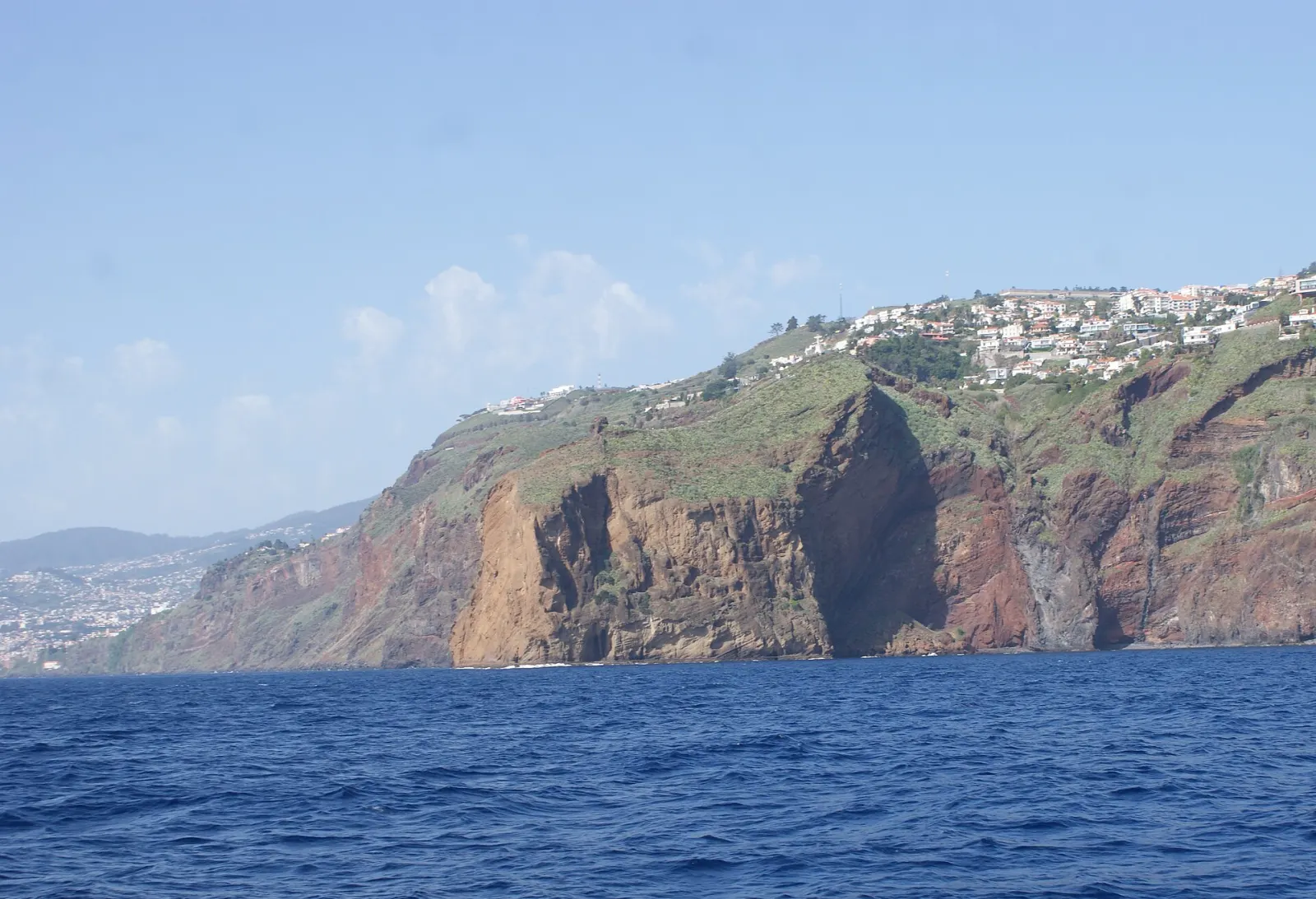
The Reserva Natural Parcial do Garajau is a 376-hectare marine reserve on the south coast of Madeira, between Funchal and Caniço in the municipality of Santa Cruz. Created in 1986, it bans all fishing from the high-tide line out to the 50-metre depth contour, which is why its dusky groupers and other large fish tolerate divers at close range. It is the most accessible protected dive area on the island, a short drive from central Funchal.
What is the Garajau reserve and why was it created?
The reserve was established by Regional Legislative Decree 23/86/M of 4 October 1986. According to the 1997 diving regulation that followed it, the main goal was to protect a stretch of coast that would act as a nursery and help restock the neighbouring shoreline with marine life. Visit Madeira describes the same aim as preventing the desertification of the seabed. Today it is managed by the regional Institute of Forests and Nature Conservation (IFCN), the successor of the Parque Natural da Madeira.
- Area: 376 ha
- Limits: from the high-tide line to the 50 m isobath
- Coastline: about 7 km, from Lazareto to Ponta da Oliveira (Visit Madeira)
- Fishing: completely prohibited; vessel traffic is restricted
What can you see underwater?
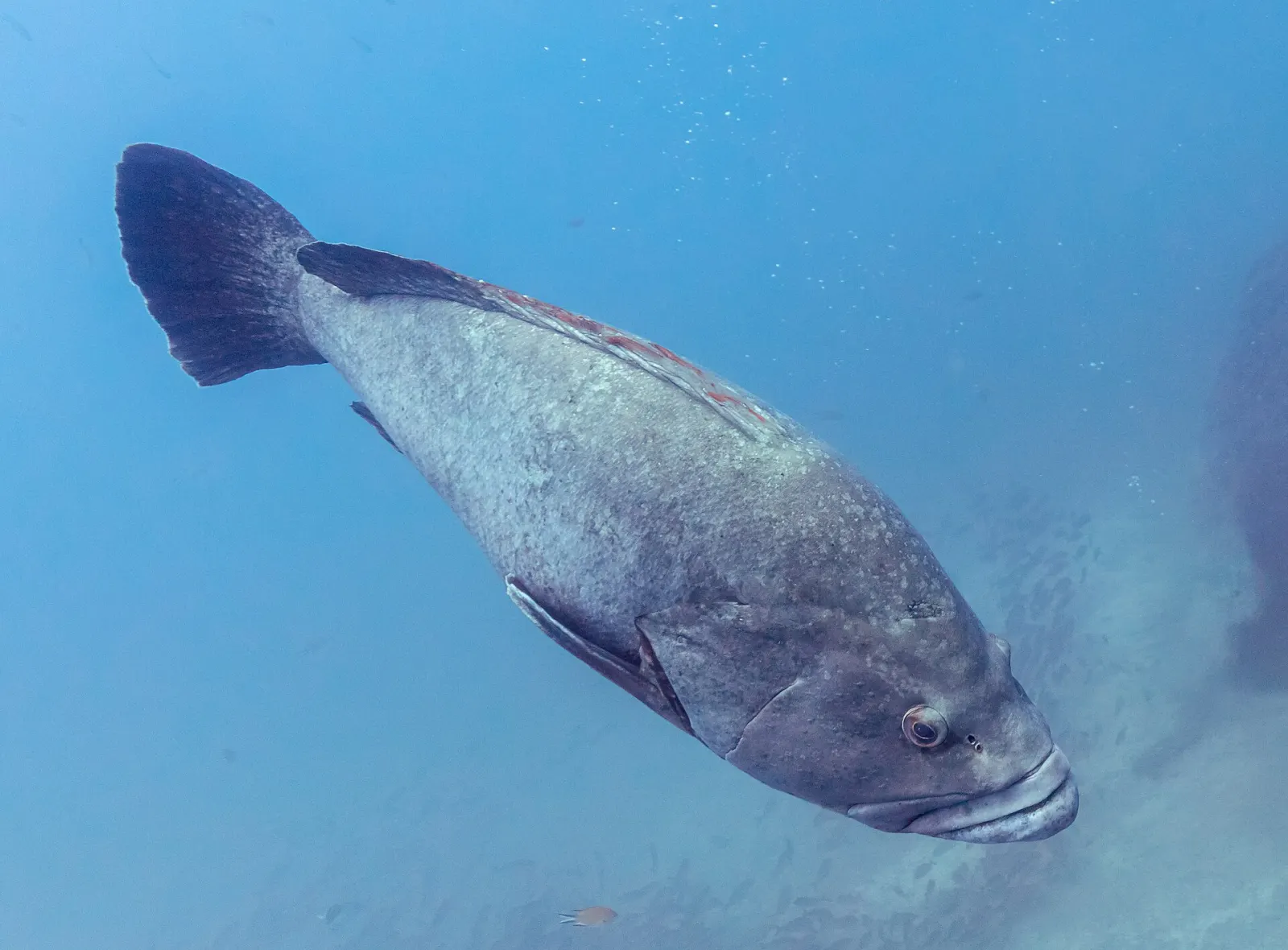
The signature species is the dusky grouper (Epinephelus marginatus). Visit Madeira notes that these groupers have grown used to divers over the years, which allows unusually close encounters. Other species listed for the reserve include barracudas, moray eels, amberjacks, stingrays, garden eels, giant anemones and barred hogfish; giant devil rays (Mobula mobular) are also recorded. Visit Madeira says much of the biodiversity can be seen at depths of more than 20 metres in clear Atlantic water.
Where are the dive sites?
Visit Madeira lists seven traditional dive spots inside the reserve: Lazareto, Pináculo, Mamas, Praia do Garajau, Baía dos Porcos, Arena and Galo. Most are reached by boat from dive centres in Funchal, Caniço and Machico; the beach at Praia do Garajau also allows shore entries. If you have not dived in the Atlantic before, the reserve is a sensible first stop before deeper sites such as the Afonso Cerqueira corvette wreck off Cabo Girão.
What are the diving rules?
Regional Regulatory Decree 1/97/M sets the rules for recreational diving in the reserve. The key points for visitors:
- No fishing gear or spearguns may be carried — only knives for safety.
- Support boats may only tie up to the existing mooring buoys; anchoring elsewhere is not allowed, and the diving flag must be flown while divers are in the water.
- A diver or group of up to eight without an anchored support boat must tow a surface marker buoy with a regulation diving flag; at night the buoy also needs a white light.
- Park wardens can ask for proof of certification; foreign visitors show a qualification document from their home country.
- The regulation allows the park authority to charge a daily diving fee. Ask your dive centre whether it is included.
How do you get there?
The reserve lies below Ponta do Garajau, the headland with the Cristo Rei statue, about 32.639° N, 16.853° W. It lies east of central Funchal and is reached by car via the coastal expressway. Visit Madeira lists a small cable car (Teleférico do Garajau) that runs down the cliff to Praia do Garajau; the alternative is a steep road on foot. Snorkellers can see fish close to the beach on calm days, but the beach is pebbly and exposed to swell.
When is the best time to dive Garajau?
The south coast is sheltered from the prevailing north-east trade winds, so Garajau is diveable most of the year. Visibility and comfort depend on swell, not season: after southerly storms the water can be churned up for several days. Book with a centre that checks sea conditions on the day, and plan your dive at least 24 hours before flying or driving up to high viewpoints such as Pico do Arieiro, because of the altitude change.
Nearby
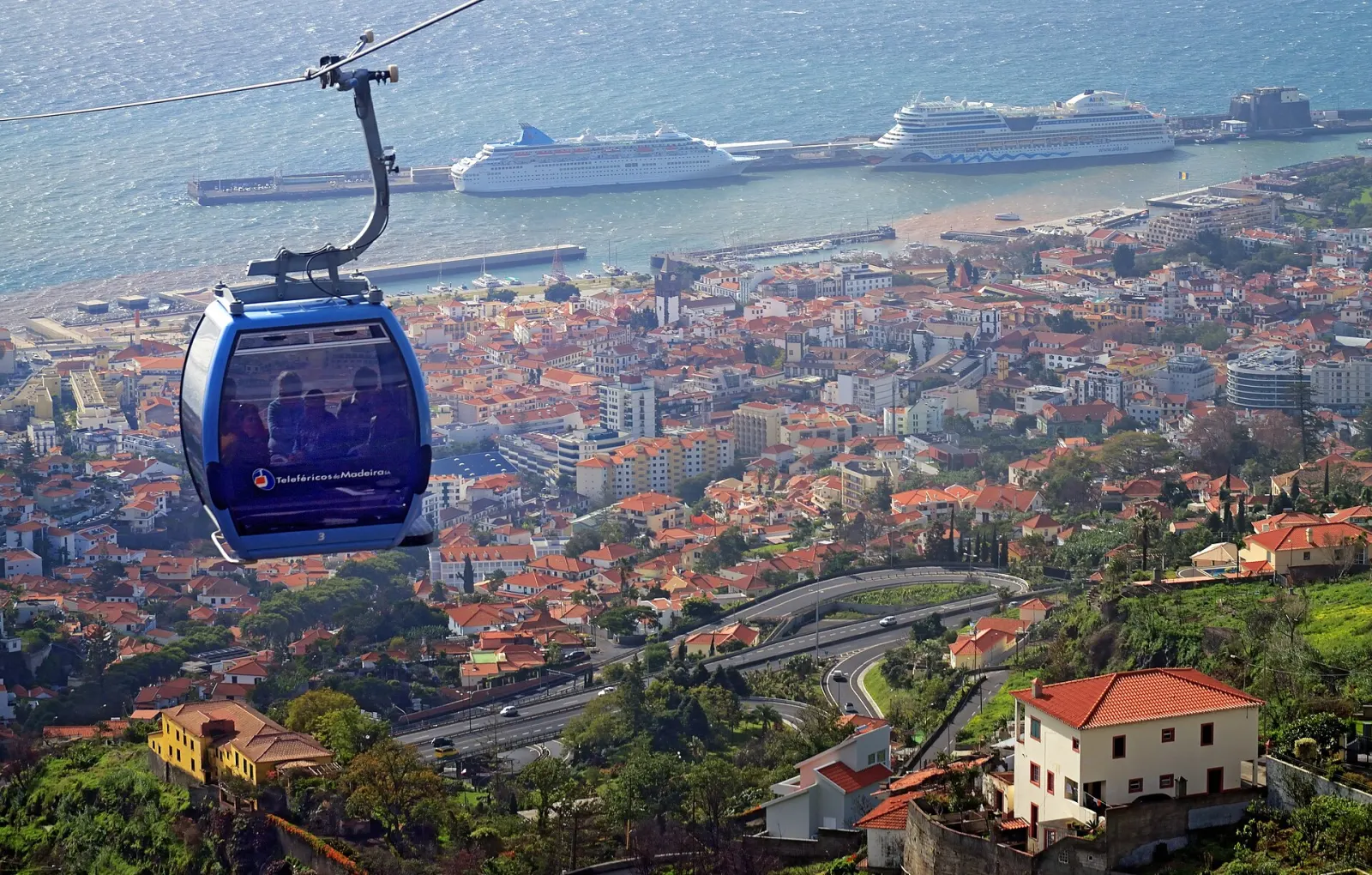
Combine a morning dive with an afternoon in Funchal, or continue east towards Machico and the Ponta de São Lourenço hike.