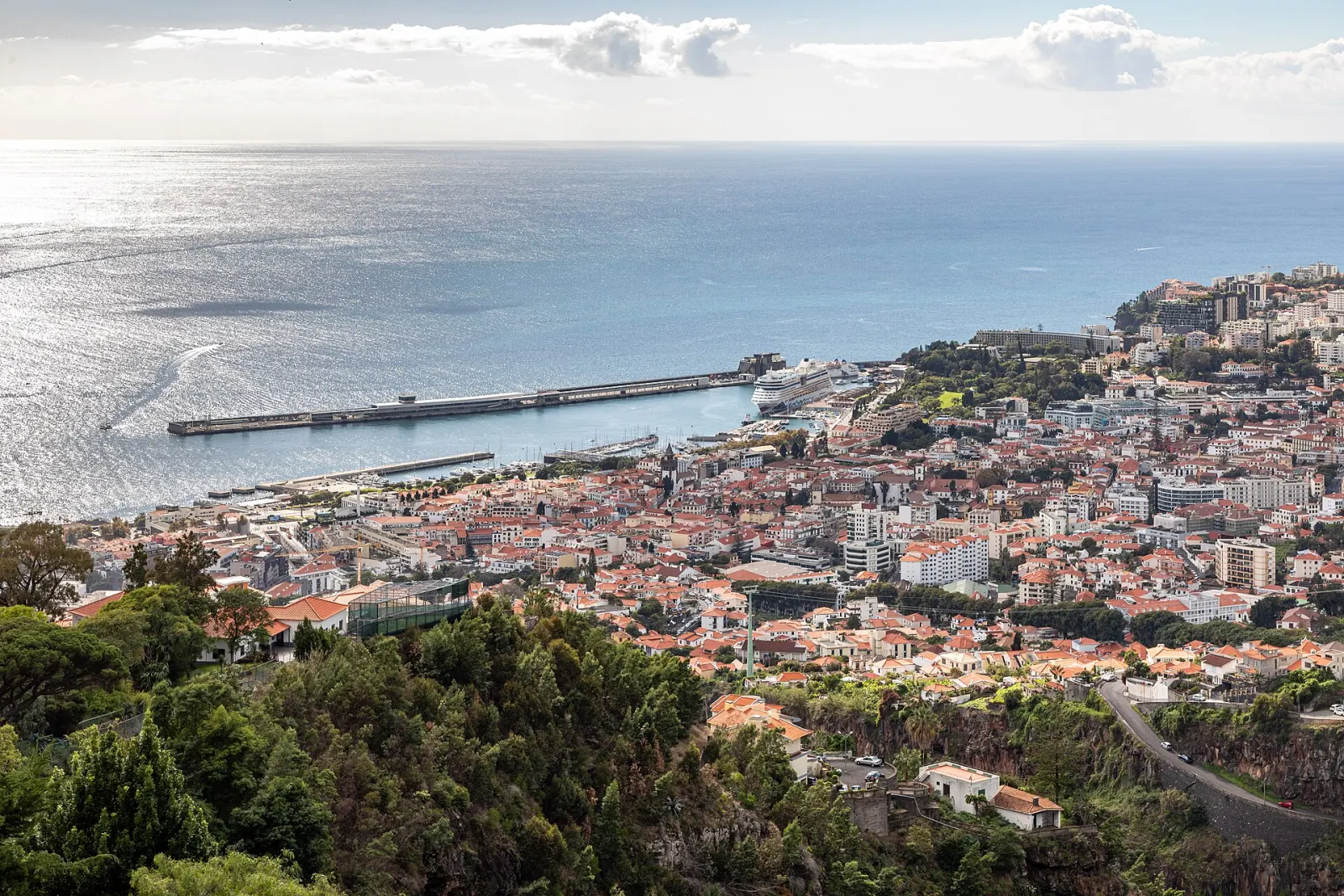
Funchal is Madeira's capital and the archipelago's main commercial, cultural and tourist centre, built on a south-facing amphitheatre of slopes that climb from the Atlantic to around 1,200 m. It is the easiest base on the island: the airport is about 18 km away, the ferry to Porto Santo leaves from its harbour, and the gardens, market and cable car are all within the city.
What defines Funchal?
The municipality covers 76.15 km² and is divided into ten parishes: Imaculado Coração de Maria, Monte, Santa Luzia, Santa Maria Maior, Santo António, São Gonçalo, São Martinho, São Pedro, São Roque and Sé. The name comes from funcho, the wild fennel early settlers found growing in the valley. Settlement began in the 1420s, Funchal became a city on 21 August 1508, and the Sé cathedral was completed in 1514, when the bishopric moved here. Sugar and later wine made it a trading port in the middle of the Atlantic, which explains the merchant houses and churches of the historic centre.
What is there to do in Funchal?
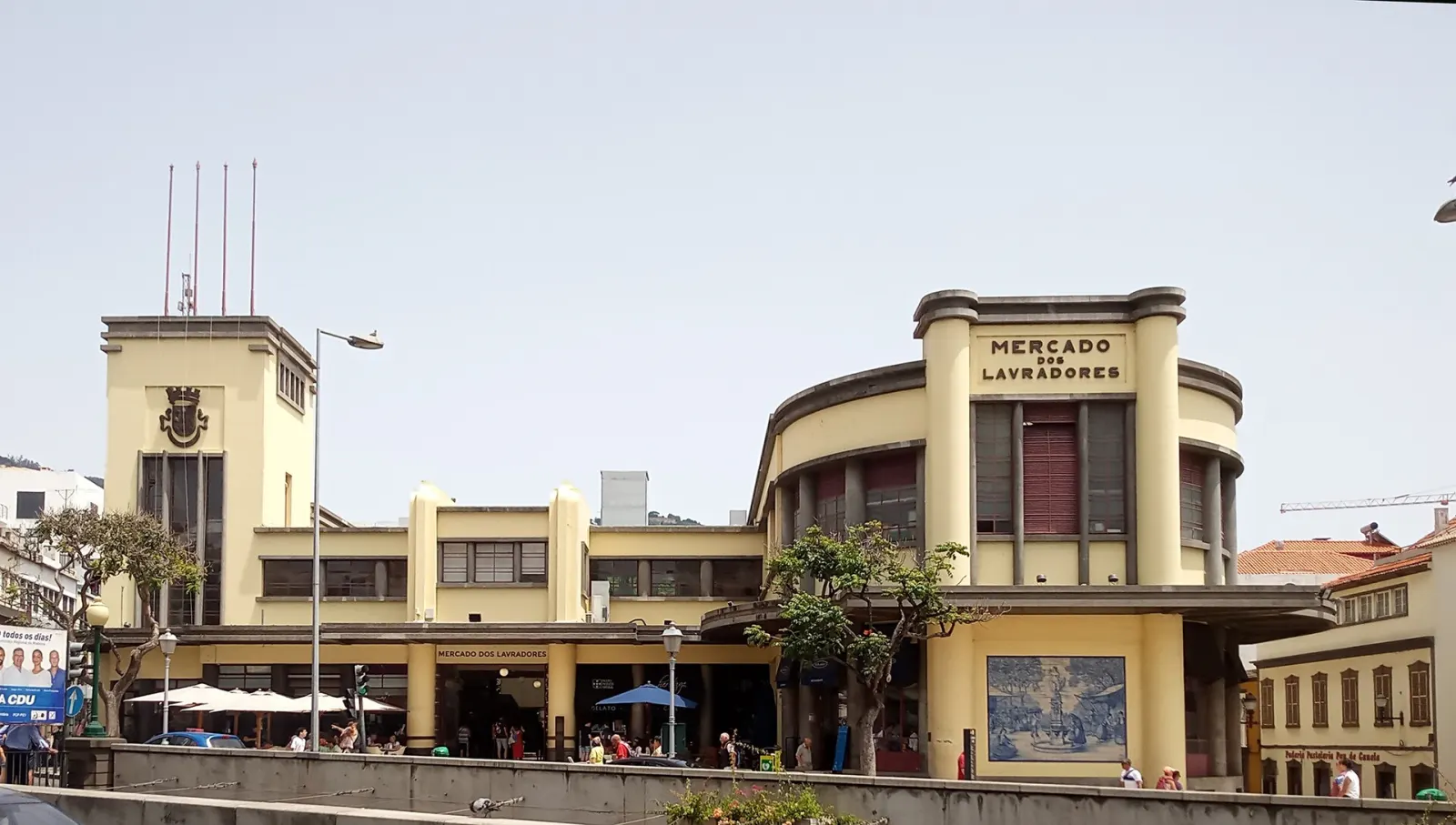
- Markets and food. The Mercado dos Lavradores, opened in 1940, is the city's working farmers' market and a good first stop for local fruit and fish. Our guide to what to eat in Madeira explains the dishes you will see on menus.
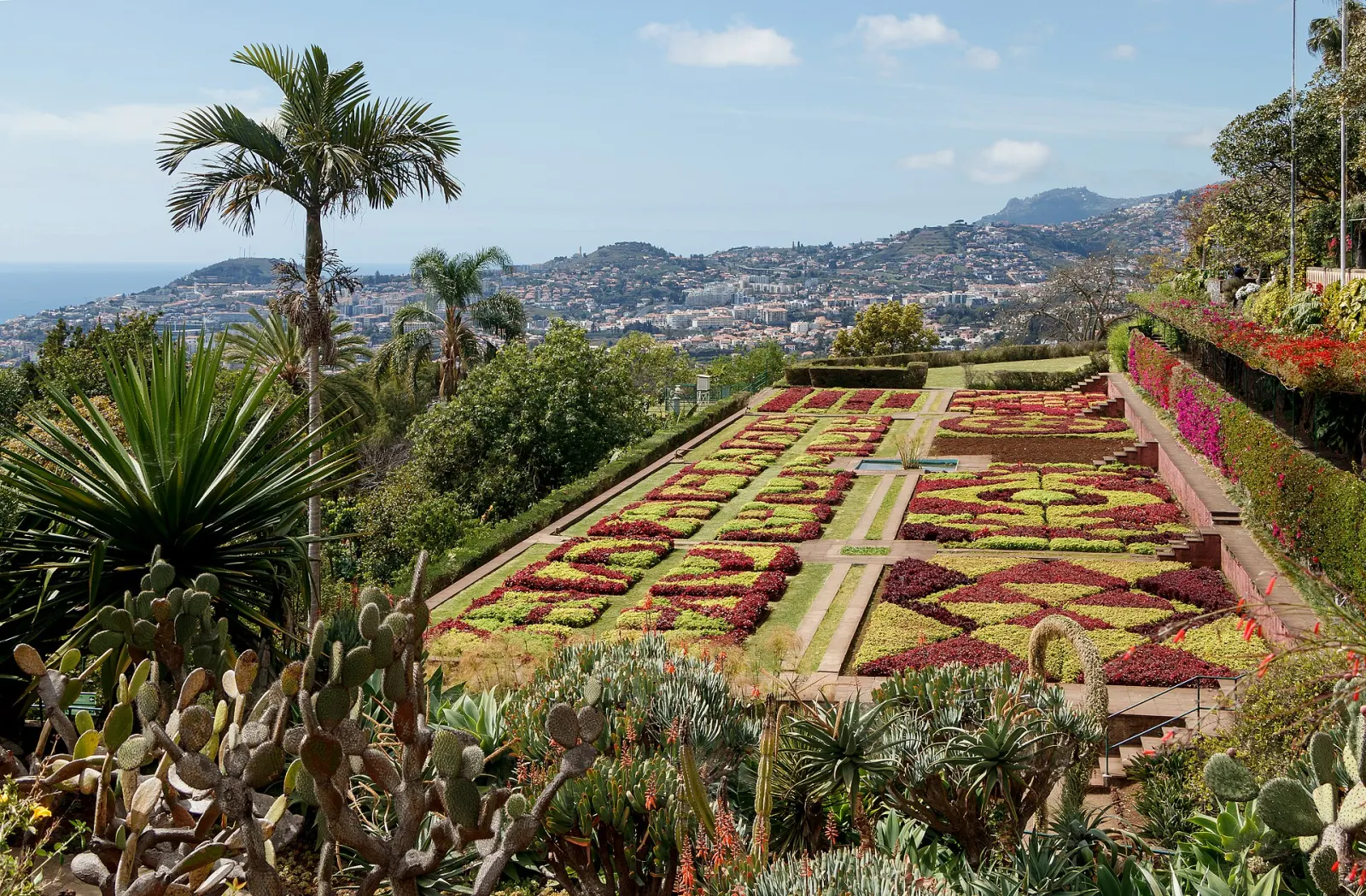
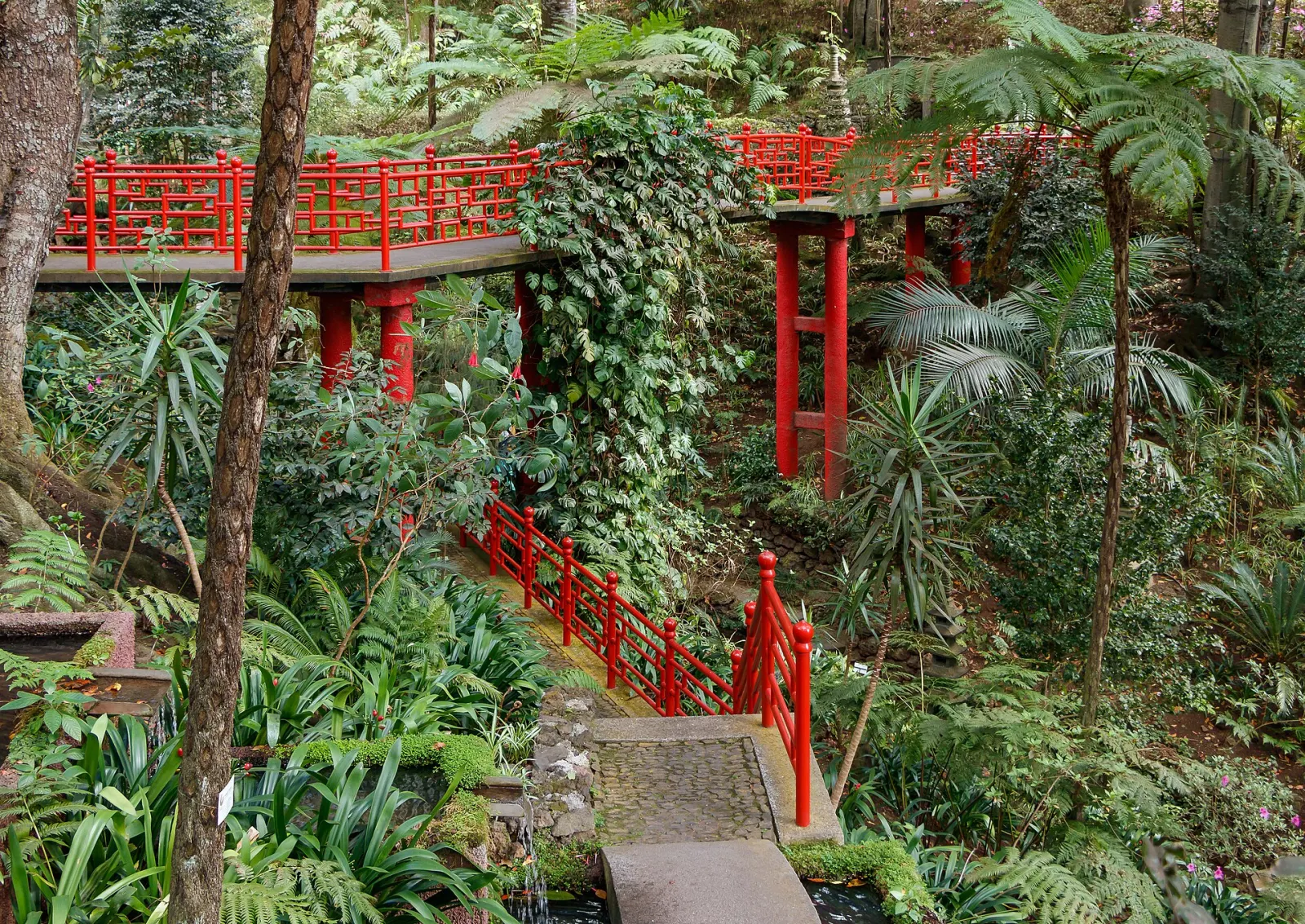
- Gardens on the hillside. The Jardim Botânico da Madeira overlooks the harbour; the Monte Palace Tropical Garden sits higher up in the parish of Monte.
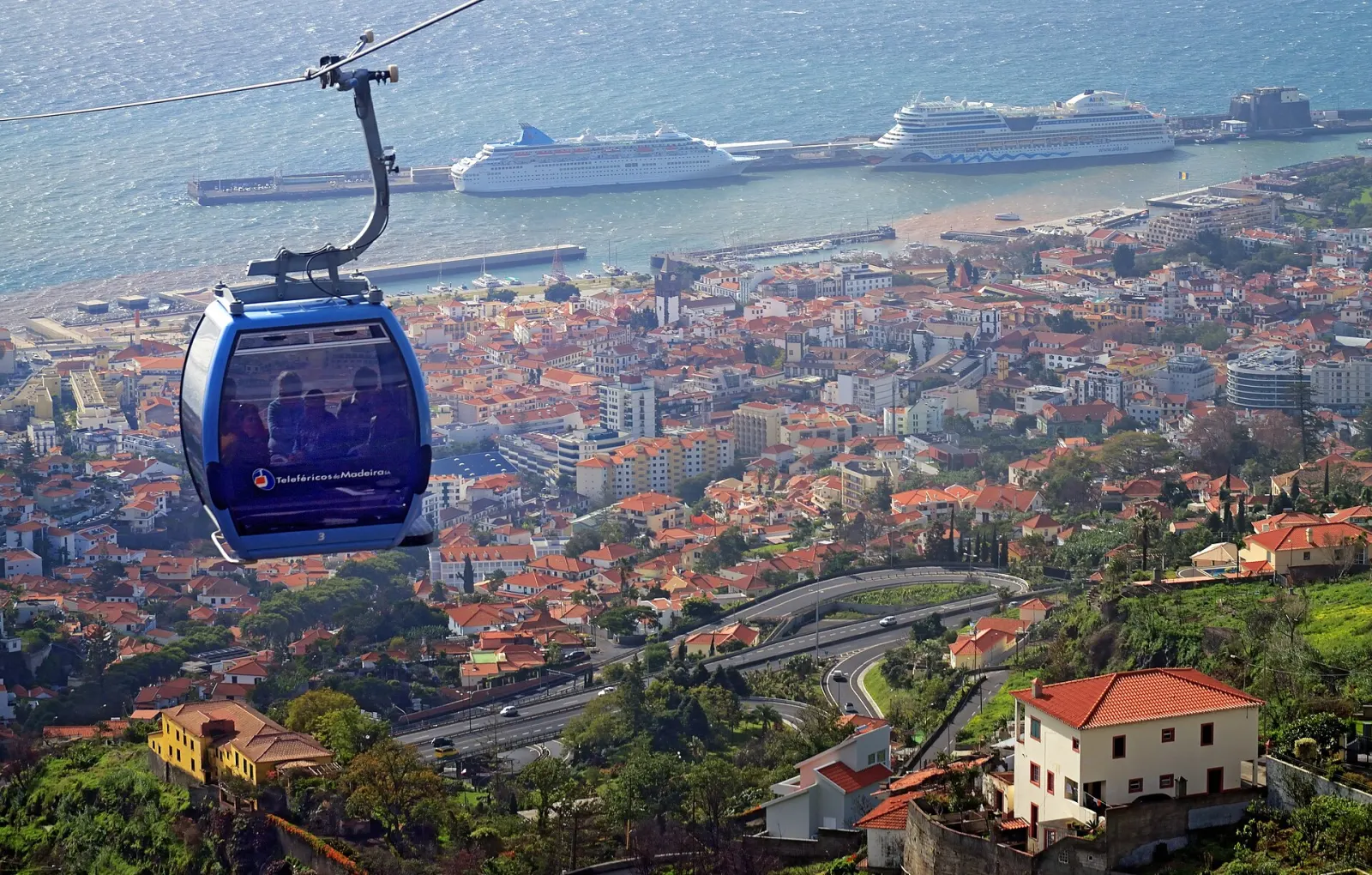
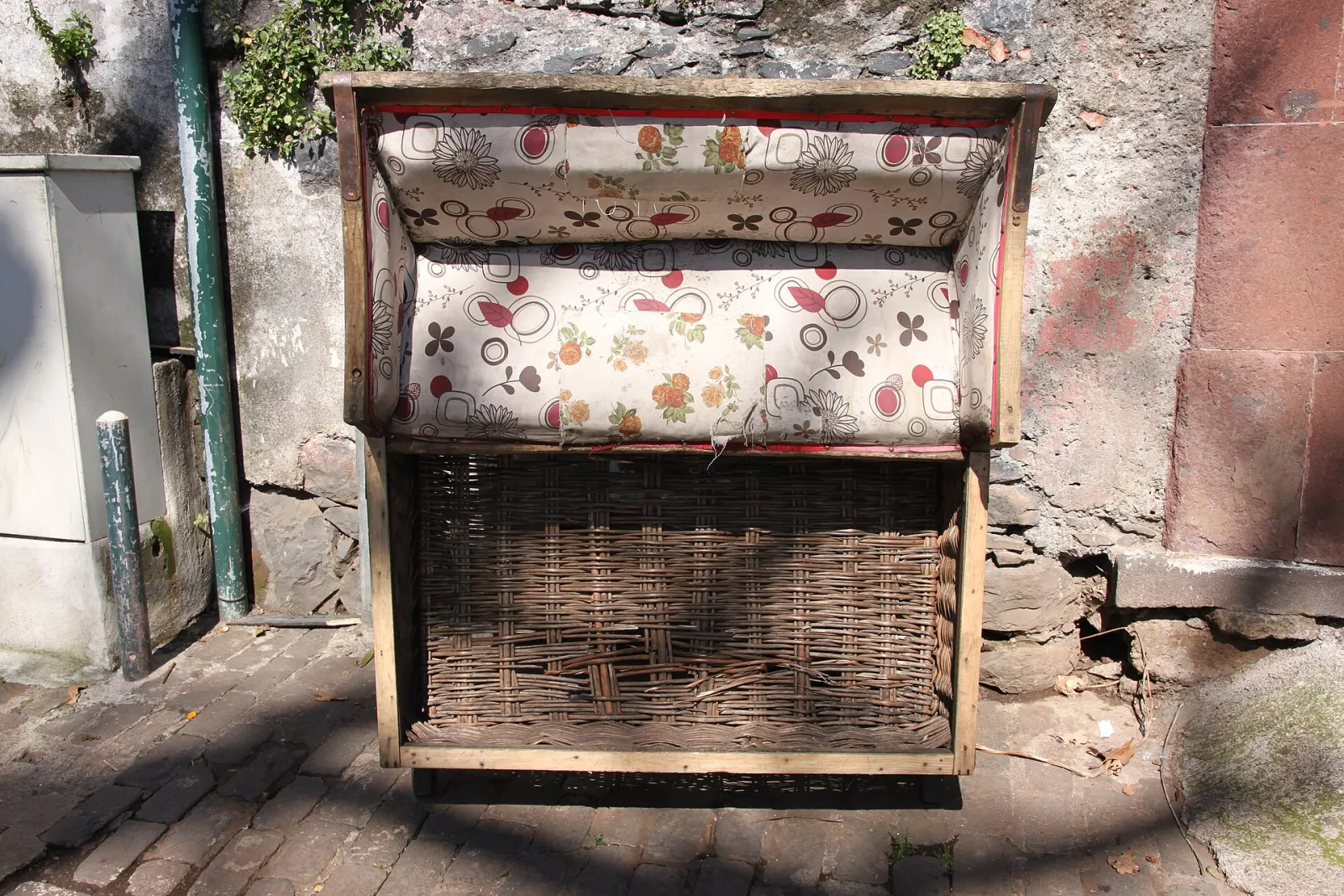
- Monte by cable car and sledge. The Funchal cable car climbs from the seafront to Monte, and the Monte toboggan — wicker sledges steered by two drivers, a transport that dates back to the early 19th century — runs part of the way down.
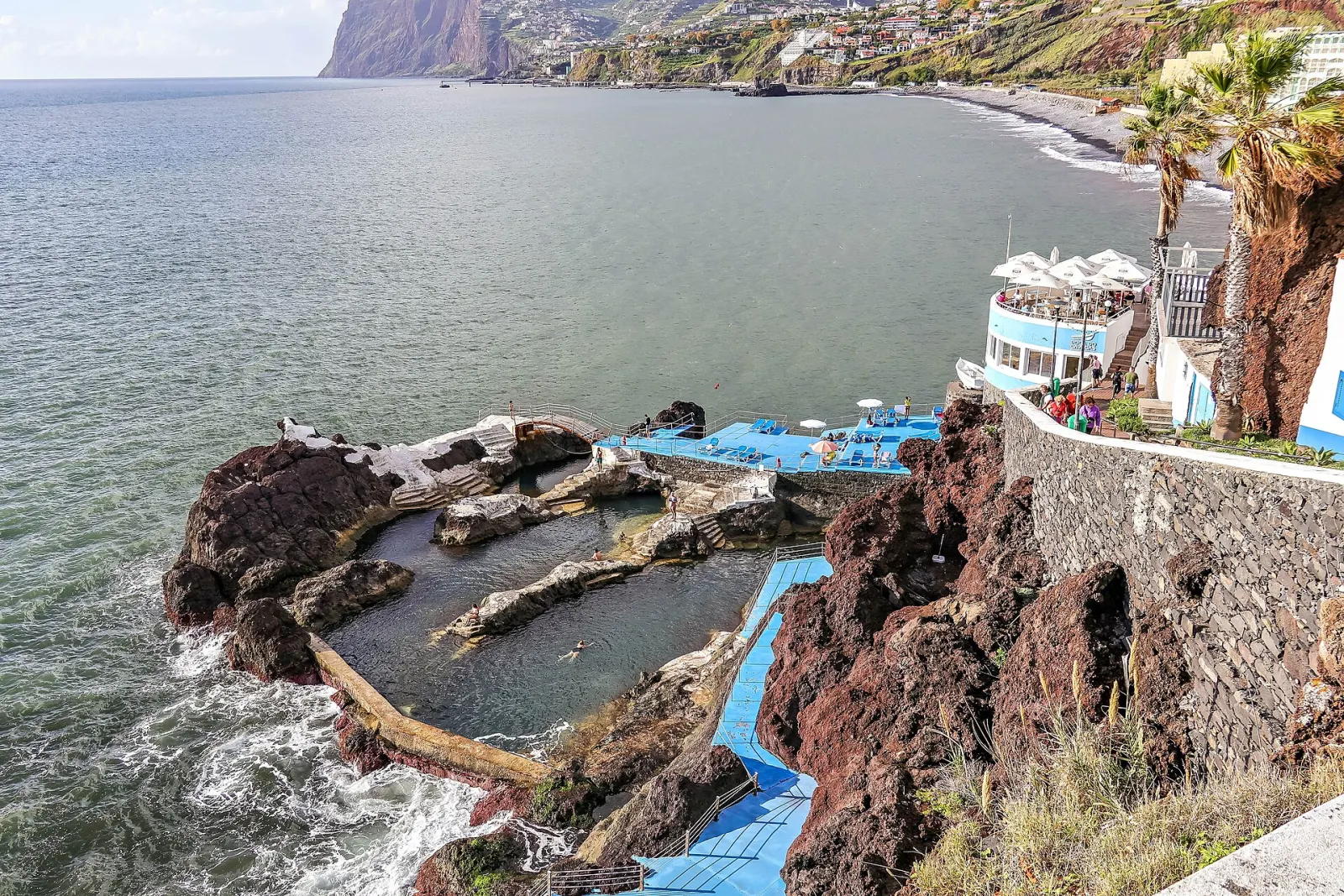
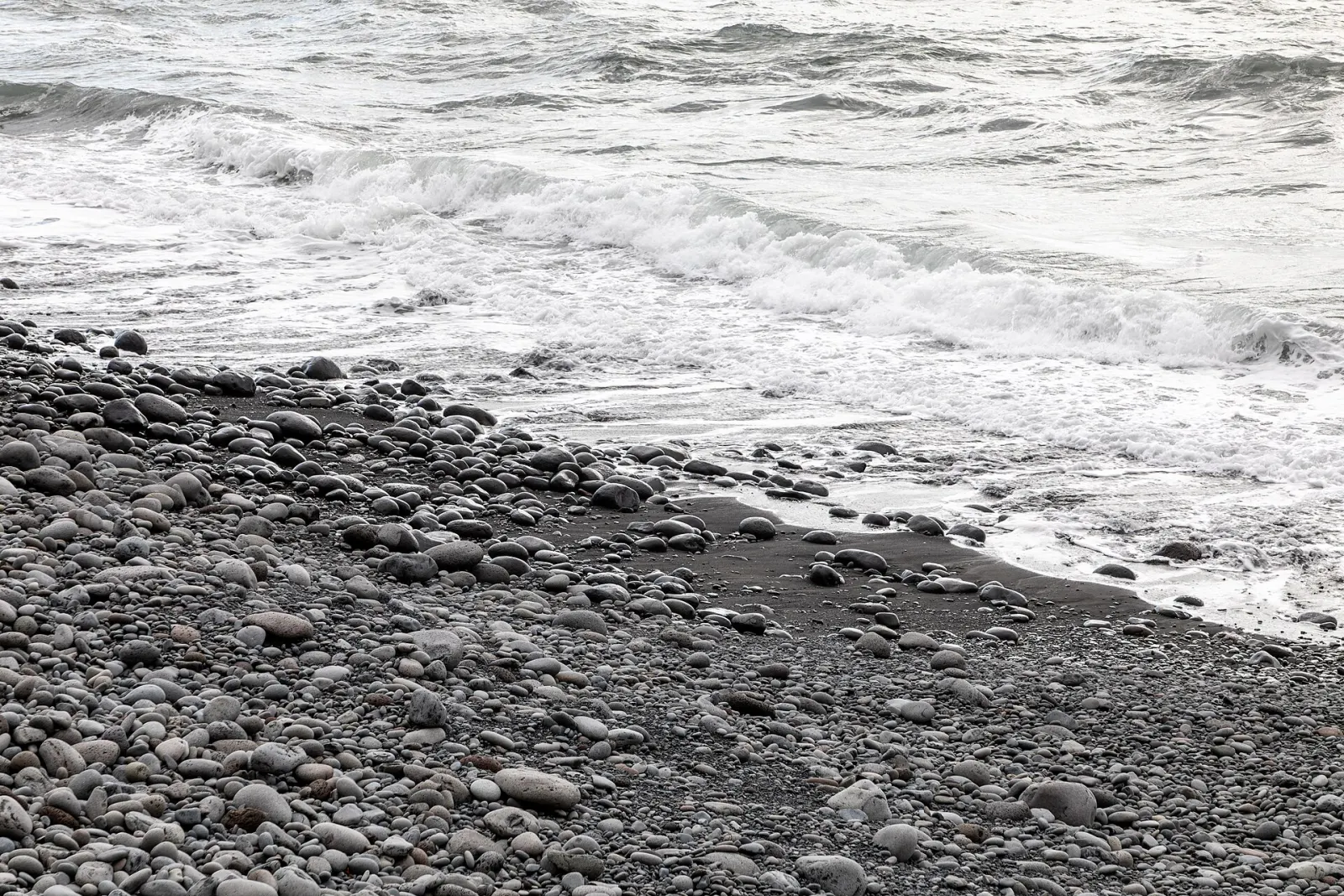
- Swimming. Funchal has no long natural beach; people swim at the Doca do Cavacas rock pools and at Praia Formosa, the pebble beach on the western edge of the city.
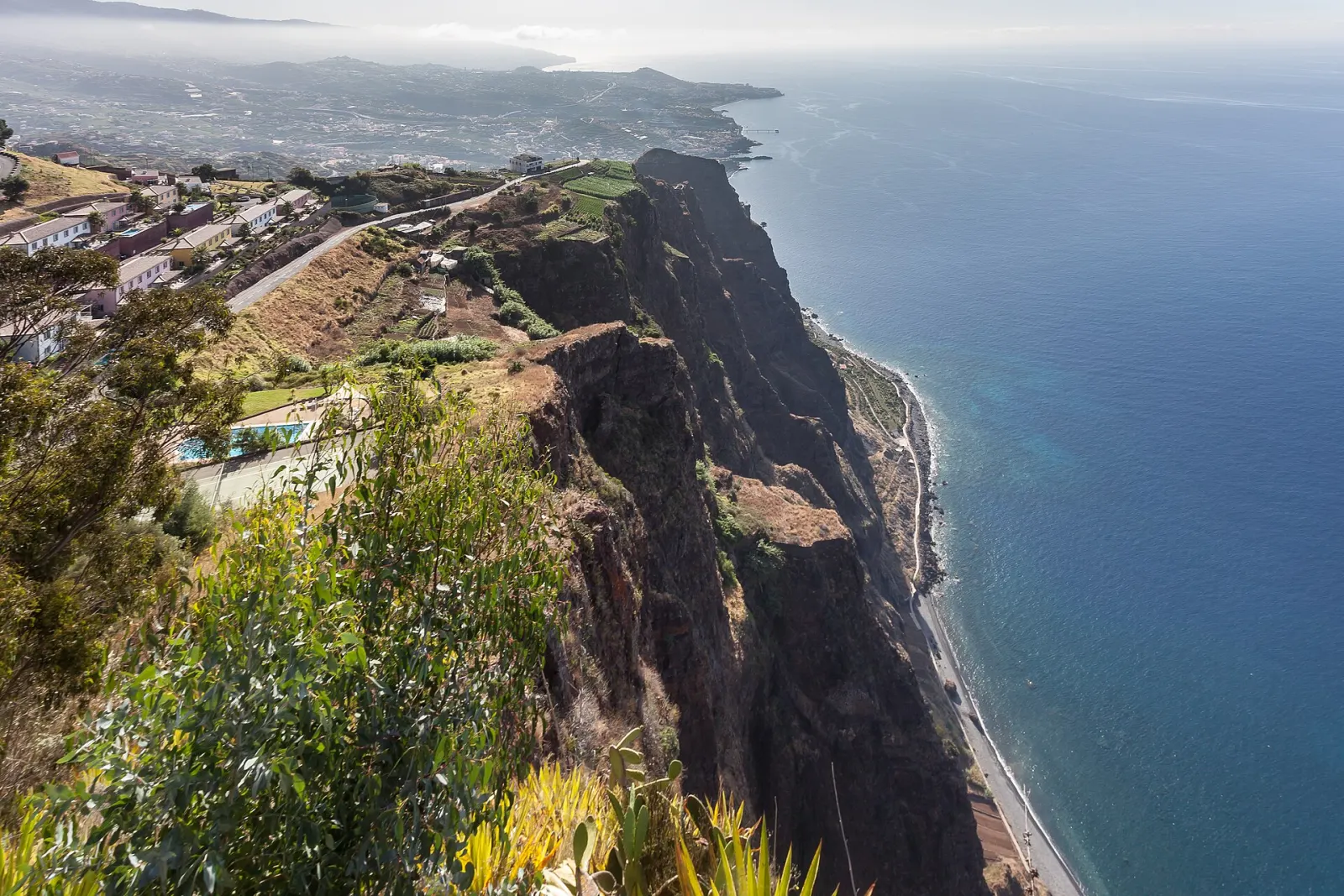
- Viewpoints close by. Cabo Girão, in neighbouring Câmara de Lobos, and Eira do Serrado, above Curral das Freiras, are short drives inland or west.
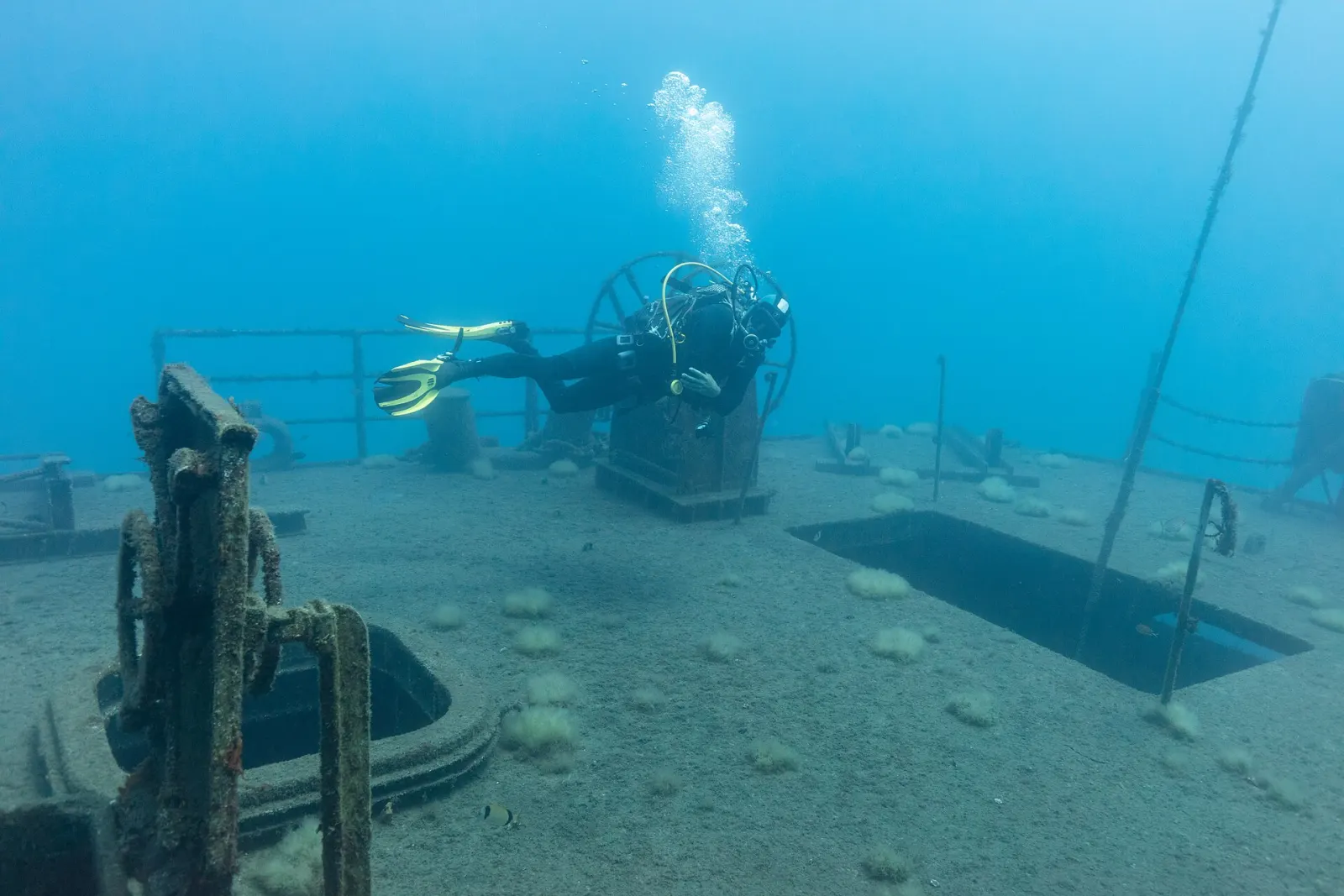
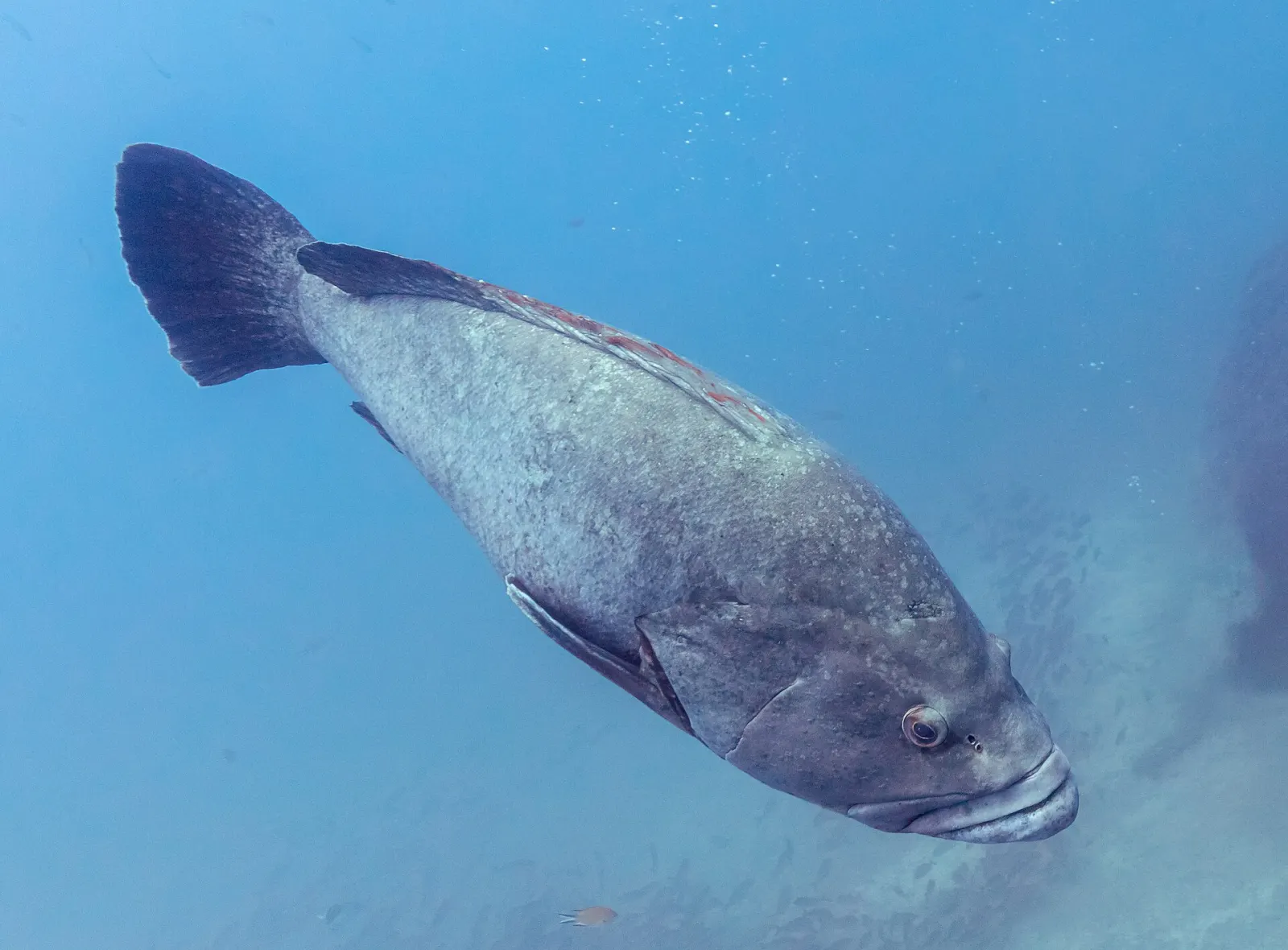
- Under water. The Corveta Afonso Cerqueira wreck, a former Portuguese Navy corvette sunk on 4 September 2018 south of Cabo Girão as an artificial reef, and the Garajau marine reserve just east of the city are the nearest dive sites.
What is the weather like in Funchal?
Funchal has a mild climate all year. The average annual temperature at the Funchal weather station was 19.6 °C for 1981–2010 (IPMA, quoted by Wikipedia). Average daily highs run from about 22–27 °C between May and September and 20–25 °C between October and April, which is the wetter half of the year. The sea ranges from about 18 °C to 24 °C.
Two things catch visitors out. First, the city rises to around 800 m on its northern slopes, so the upper suburbs can be in cloud or rain while the seafront is sunny. Second, early summer — June in particular — often brings a persistent cloud layer over the bay, locally nicknamed "Funchal's helmet". If it is grey in town, the mountains or the west coast may be clear, and vice versa.
How far is Funchal from the rest of Madeira?
Approximate road distances from central Funchal (OpenStreetMap routing): Pico do Arieiro about 20 km, Machico about 22 km, Calheta about 34 km, Santana about 40 km and Porto Moniz about 50 km. The Lobo Marinho ferry to Porto Santo takes about 2 h 15 min, according to the operator.
Who is Funchal a good base for?
Funchal suits first-time visitors, travellers without a car (see getting around Madeira without a car for bus options) and anyone who wants restaurants and evening life after a day out. Hikers can reach the high-mountain trailheads such as Vereda do Areeiro quickly, but the far west and north coast mean longer day trips. For a short stay built around the city, see 3 days: the essentials.